
Cold Weather Boiler Problems Explained: Pressure Drops, Freezing, and Shutdowns
Jan 28
3 min read
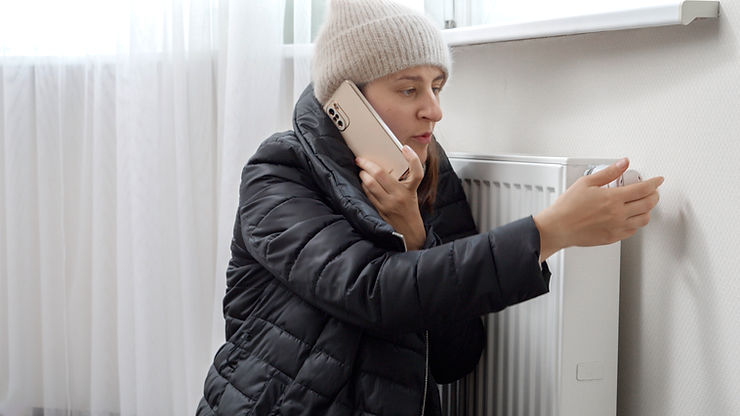
Cold weather places extra strain on heating systems, and it is one of the most common reasons boilers begin to show faults. During winter, boilers run for longer periods, external pipework is exposed to freezing temperatures, and small underlying issues can quickly escalate into shutdowns.
Understanding the most common cold-weather boiler problems helps homeowners and property managers recognise what is happening, respond appropriately, and reduce the risk of a complete breakdown during freezing conditions..
Why Boiler Problems Are More Common in Cold Weather
As temperatures fall, heating demand increases significantly. Boilers are required to heat water more frequently and maintain higher output levels for extended periods. This increased workload exposes weaknesses in components that may have been coping during milder months.
Cold weather also affects the wider heating system, including pipework, pressure levels, and external drainage. Together, these factors make winter the most challenging season for boiler reliability.
Boiler Pressure Drops in Winter: What Causes It?
Loss of boiler pressure is one of the most common winter issues reported by homeowners.
Pressure problems often occur in cold weather due to:
Expansion and contraction of pipework as temperatures fluctuate
Minor leaks becoming more noticeable under higher system demand
Ageing expansion vessels struggling to cope with pressure changes
Radiators and valves releasing small amounts of air
A gradual pressure drop may not cause an immediate shutdown, but repeated pressure loss can trigger safety systems and stop the boiler operating altogether.
If pressure issues are frequent, it may be helpful to understand why boilers fail more often in winter and how the risk can be reduced.
Frozen Condensate Pipes and Boiler Shutdowns
Modern condensing boilers produce wastewater that flows through a condensate pipe, often routed externally. In freezing temperatures, this pipe can ice over, preventing proper drainage.
When this happens, the boiler’s safety controls will usually shut the system down to prevent damage. This type of fault is particularly common during prolonged cold spells or overnight freezes.
Insulating external condensate pipework and addressing repeated freezing issues early can help reduce the risk of winter shutdowns.
Why Boilers Shut Down More Frequently in Winter
Boiler shutdowns in cold weather are often a protective response rather than a sudden failure. Safety sensors may detect:
Abnormal pressure levels
Restricted condensate flow
Overheating due to poor circulation
Fan or pump strain under continuous use
While a reset may temporarily restore operation, repeated shutdowns usually indicate an underlying issue that needs professional attention.
If your boiler stops working completely during freezing temperatures, it’s important to follow safe steps. Our guide on what to do if your boiler stops working during freezing weather explains this in more detail.
When Cold Weather Boiler Problems Become Urgent
Not all winter boiler issues are emergencies, but some situations require immediate action.
Cold weather boiler problems should be treated as urgent if:
There is no heating during freezing conditions
Vulnerable occupants are affected
Water leaks risk freezing or electrical damage
Carbon monoxide alarms activate
If you are unsure whether a fault counts as an emergency, it may help to read what qualifies as a boiler repair emergency and when urgent repair is actually required.
Cold Weather Boiler Issues in Commercial and Managed Properties
In commercial buildings and managed estates, cold weather boiler problems can affect multiple occupants and disrupt operations. Loss of heating during winter may raise health, safety, and compliance concerns, particularly in offices, retail premises, and residential blocks.
Facilities management teams often prioritise winter diagnostics to identify pressure issues, circulation faults, and freeze risks before they lead to system-wide shutdowns. Planned intervention is far less disruptive than emergency repairs during peak winter demand.
Summary
Cold weather boiler problems are most commonly linked to pressure fluctuations, frozen condensate pipes, and protective system shutdowns caused by increased winter demand. In many cases, these issues develop gradually and only become obvious once temperatures drop.
Understanding how winter conditions affect boiler systems allows problems to be addressed earlier, reducing disruption and avoiding unnecessary emergency situations. Where faults persist or safety is a concern, experienced heating engineers can assess the system, identify the root cause, and recommend practical solutions.
Our engineers at Winstanley Electrical & Mechanical Services support domestic and commercial clients throughout the winter months, helping restore reliable heating while minimising downtime and disruption.
📞 Call 0800 038 9786 or request your quote today.
Why Choose Winstanley?
NICEIC-Approved & SafeContractor-Accredited
Experienced Commercial & Industrial Electricians
Transparent Costs & ROI Calculations
24/7 Emergency Availability
Fully Qualified Engineers Across the North West
Fast Response & Competitive Rates
📩 info@winstanley-electrical.com

UK-Wide Boiler Repair Coverage in Key Cities
Winstanley Electrical & Mechanical Services provides boiler diagnostics, repairs, and servicing support across the UK, with coverage in major commercial and residential centres, including:


